Recipes
Wholewheat spaghetti with burst tomatoes, spinach and mozzarella
A 25-minute wholewheat spaghetti with burst cherry tomatoes, wilted spinach and torn mozzarella — exact quantities, honest timers, serves two.
By the RecipeGPT Team · 3 August 2026 · 7 min read
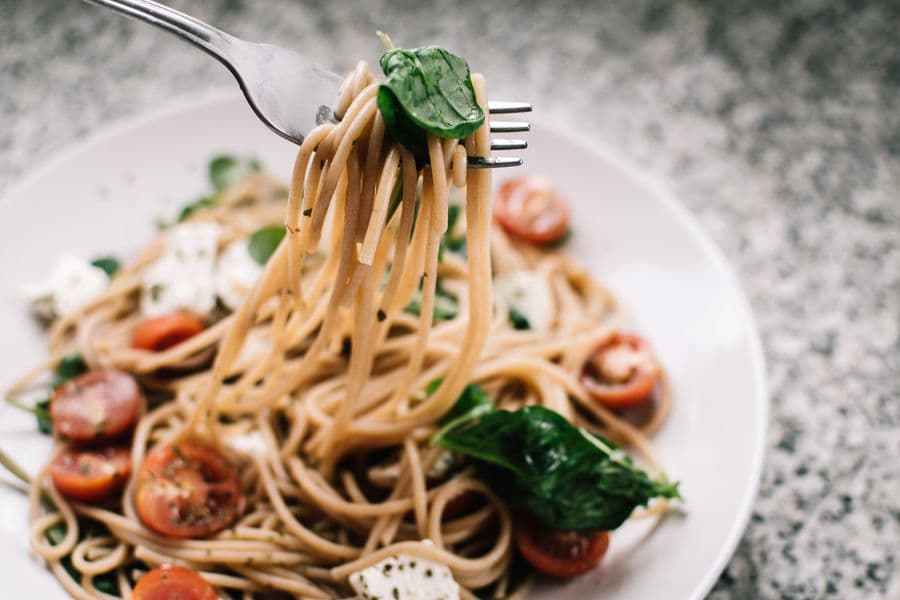
This is the pasta for the evening when cooking nearly lost to the takeaway app: one pot, one pan, 25 honest minutes. Cherry tomatoes burst into a ten-minute sauce, spinach wilts into it, and mozzarella melts through at the end off the heat. The recipe is right here — the reading, as ever, is optional and lives below it.
Wholewheat spaghetti with burst tomatoes, spinach and mozzarella
2 servings · prep 8 min · cook 17 min · 25 min total
Ingredients
- 200 g (7 oz) wholewheat spaghetti
- 400 g (14 oz) cherry tomatoes
- 3 tbsp extra-virgin olive oil
- 3 garlic cloves, thinly sliced
- ¼ tsp chilli flakes (optional)
- 100 g (3½ oz) baby spinach
- 125 g (4½ oz) mozzarella, drained and torn
- a small handful of basil leaves
- fine salt and black pepper
Method
Boil the water
Bring a large pot of water to a rolling boil with 1 tablespoon of fine salt. A big pot now saves gluey pasta later.
Start the tomatoes
While the water heats, warm 3 tablespoons of olive oil in a wide pan over medium heat. Add 400 g cherry tomatoes whole with a pinch of salt and cook, shaking occasionally, until they blister and start to collapse — about 8 minutes.
Cook the spaghetti
Drop 200 g wholewheat spaghetti into the boiling water and cook per your packet's time, usually 9–11 minutes for wholewheat. Before draining, scoop out a mugful of the starchy cooking water.
Garlic and chilli in
Push the tomatoes to one side of the pan, add the sliced garlic and chilli flakes to the oily patch, and cook until fragrant and just golden — about 1 minute. Crush a few tomatoes with the spoon so their juices run into a rough sauce.
Wilt the spinach
Add 100 g baby spinach to the pan in two handfuls, turning it through the hot tomatoes until it collapses — about 2 minutes. Season with black pepper.
Marry pasta and sauce
Tip the drained spaghetti into the pan with a splash of the reserved pasta water and toss over low heat until the sauce clings and turns glossy — about 1 minute. Add more pasta water a splash at a time if it tightens.
Mozzarella, off the heat
Kill the heat, then fold the torn mozzarella and most of the basil through so the cheese softens into ribbons without fully melting. Serve immediately, topped with the last basil leaves and a thread of olive oil.
Why this works
Whole cherry tomatoes are the shortcut: their skins trap steam until they burst, which concentrates sweetness a tinned sauce can't match in the time. You're effectively roasting them in a pan — the skins char slightly, the insides turn jammy, and the pinch of salt pulls their juice out to become the sauce's body. It's why this ten-minute sauce tastes like it took an hour, and why the tomatoes are the one ingredient here worth buying well.
The glossy finish in step 6 is the technique this recipe quietly teaches. Starchy pasta water plus fat plus agitation is an emulsion — the same mechanics as a cacio e pepe — and it's the difference between sauce that clings to every strand and sauce that puddles under them. If the pan ever looks oily rather than glossy, you're a splash of pasta water and ten seconds of tossing away from fixing it. Wholewheat spaghetti gives the emulsion extra help: it sheds more starch than white pasta, and its nutty chew stands up to the sweet-sharp tomatoes instead of disappearing under them.
And the mozzarella goes in off the heat on purpose. Fully melted it turns stringy and seizes into clumps; folded through residual warmth it stays in soft, cream-centred ribbons that stretch rather than snap. Thirty seconds of patience, entirely different dish.
Ingredient notes: where quality actually matters
- Cherry tomatoes. The dish's engine — sweeter varieties (on-the-vine, baby plum, Datterini if you see them) repay the extra pound. Out of season, baby plum tomatoes burst more reliably than the watery standard punnets.
- Wholewheat spaghetti. Brands vary wildly — in texture and in cooking time (9 to 12 minutes across the shelf), which is why the recipe defers to your packet. If wholewheat has disappointed you before, it was probably overcooked by a white-pasta habit; it wants to keep a firm bite.
- Mozzarella. Standard cooking mozzarella is right here — drain and tear it well ahead so it sheds surface water. Save buffalo mozzarella for eating raw; its extra moisture waters the sauce down.
- Olive oil, garlic, basil. Three tablespoons of oil is the sauce's backbone, so use one you'd eat undisguised. Slice the garlic rather than crushing it — slices toast sweetly where paste burns bitter in this pan's heat.
Make it yours: swaps and additions
The template underneath is burst tomatoes + a leaf + a finishing cheese, and every slot swaps. Feta instead of mozzarella turns it sharper and saltier (add less salt earlier); ricotta in rough spoonfuls makes it gentler; leave cheese out entirely and finish with an extra glug of oil and pasta water for the lightest version. Rocket or chard stand in for spinach — chard wants two extra minutes, rocket wants thirty seconds. A tin of drained white beans warmed in with the spinach makes it heartier without meat; a handful of prawns, added with the garlic until just pink, makes it a different dinner entirely. Capers or olives with the garlic push it toward puttanesca territory.
This is also a recipe that rewards honest timers: the tomato burst and the pasta boil overlap almost perfectly — start the tomatoes while the pot heats, drop the pasta when they're halfway blistered — and nothing here punishes you for being 90 seconds late. It's a forgiving dish that happens to teach precise habits.
Scaling it, and what to do with leftovers
The quantities above are for two, and the pan matters more than the maths when you scale: the tomatoes need space to blister, so four portions want two pans or one very wide one — the pan-space rule in its natural habitat. Or ask RecipeGPT for this dish at your serving count and let it re-size the plan, pan advice included. More two-person ideas live in our dinner-for-two list.
Leftover-wise, be honest with yourself: mozzarella through pasta reheats into rubber. If you're cooking ahead on purpose, stop before step 7 — the tomato-spinach base keeps well for a couple of days chilled, and reheats with a splash of water into nearly-fresh sauce. Add fresh cheese after reheating and it's a proper second dinner rather than a compromise. Cool leftovers promptly; don't leave the pan out all evening.
Frequently asked questions
Can I use normal spaghetti instead of wholewheat?
Yes — the method is identical. White spaghetti usually cooks a minute or two faster and tastes milder, so consider a squeeze of lemon at the end to bring back some edge. Linguine and bucatini also work; very fine pasta like angel hair drowns under chunky burst tomatoes.
Can I use a tin of tomatoes instead of cherry tomatoes?
You can, but it becomes a different (still good) pasta: simmer a drained tin with the garlic for 10–12 minutes. The burst-tomato version's charm is the fresh skins, the jammy pockets and the juice released at the last minute — worth the cherry tomatoes when you have them.
Why did my sauce come out oily instead of glossy?
The emulsion broke or never formed — usually too little pasta water, or the heat too high while tossing. Drop the pan to low, add pasta water a splash at a time, and keep everything moving; the starch binds the oil and juices into gloss within seconds. Reserving that mugful of cooking water is the whole insurance policy.
Is this recipe vegetarian?
As written it depends on your mozzarella: traditional mozzarella uses animal rennet, but vegetarian-labelled versions are common in UK supermarkets — check the pack. With feta the same check applies. The no-cheese variation is fully plant-based if your pasta is egg-free (dried spaghetti almost always is).
How do leftovers keep?
The assembled dish is best eaten immediately. The tomato-spinach base alone keeps 2–3 days in the fridge and freezes acceptably; reheat it properly hot with a splash of water, cook fresh pasta into it, and add cheese at the end. Cooked-and-sauced pasta stored overnight softens but makes a respectable next-day lunch cold, frittata-style with an egg, or refreshed in a hot pan.
Cook it with the timers running
Ask RecipeGPT for this spaghetti at your serving count — every wait arrives with its own timer.